Showing posts with label Infertility Treatment clinic India. Show all posts

Thursday, 14 August 2014

Which Infertility Treatment Is Right for You?


Infertility Treatments That Work
Worldwide, more than 3 million babies have now been born through in vitro fertilization (IVF). Other therapies are successful, too -- at least half of couples who seek treatment for infertility will get pregnant. 


Symptoms of Infertility
Most couples should consult a doctor after a year of trying to conceive unsuccessfully. This is the main sign of infertility. If the woman is over age 35 and hasn't conceived after trying for six months or has an irregular menstrual cycle, it's best to see a doctor as soon as possible. Remember that the man should be evaluated, too. Male infertility is just as common as female infertility. 


Male Infertility
In about 40% of infertile couples, the cause is traced to the man. Common problems include:
Low sperm count
Poor sperm motility
Malformed sperm
Blocked sperm ducts

Female Infertility
In another 40% of cases, the woman is diagnosed with a problem, such as:
Irregular ovulation (release of eggs)
Blocked fallopian tubes
Abnormalities in the cervix or uterus
In about 20% of infertile couples, no cause can be found. 


Tracking Ovulation
In some cases, poor timing is the main obstacle. To find out when you're ovulating (and determine the best time for sex), you can use over-the-counter ovulation tests. These detect a hormonal surge that occurs 12 to 36 hours before the ovary releases an egg. If the tests never yield a positive result, consult your doctor. Irregular ovulation accounts for about a third of all cases of infertility. 

Fertility Drugs
If your doctor determines you're not ovulating normally, fertility drugs can help. The most common choice is clomiphene citrate, better known by the brand names Clomid and Serophene. This drug is relatively inexpensive and effective. About half of women who take clomiphene will get pregnant, usually within three cycles. By causing the release of more than one egg at a time, Clomid increases the chances of multiple births. 

Injectable Hormones
If you don't get pregnant after taking clomiphene for six months, your doctor may recommend injections of fertility hormones. A wide range of hormonal drugs are available, and they are highly effective in stimulating ovulation. Of those who ovulate, about half become pregnant. Like clomiphene, injectable hormones increase the chances of becoming pregnant with multiples. 
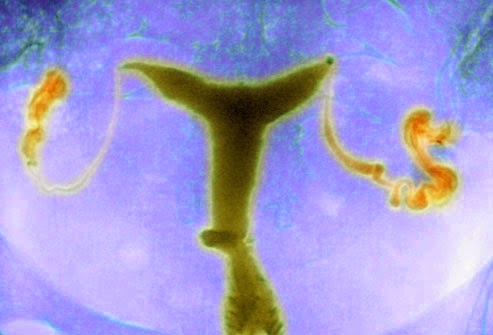
Surgery for Blocked Fallopian Tubes
Some women have trouble getting pregnant because scar tissue prevents eggs from traveling down the fallopian tubes. This scarring can be caused by endometriosis, the overgrowth of tissue that lines the uterus, a history of pelvic infections, or previous surgeries. Laparoscopic surgery can remove scar tissue in the reproductive tract and boost the odds of getting pregnant for some women. 

Intrauterine Insemination (IUI)
Intrauterine insemination (IUI) is a popular option for a wide range of fertility problems. In this procedure, the sperm is placed directly into the woman's uterus while she is ovulating. This reduces the distance the sperm must swim to reach the egg. IUI is often used in combination with drugs that stimulate ovulation. It is less expensive and less invasive than IVF, but pregnancy rates are notably lower. 

IUI With Donor Sperm
If the man has few healthy sperm, IUI can be done using sperm from a donor. Most doctors recommend couples see a counselor before choosing this option, because they must be comfortable raising a child who is not biologically related to the father. IUI with donor sperm has a very high success rate in fertile women. It may take several tries, but cumulative pregnancy rates are over 80%. 

In Vitro Fertilization (IVF)
IVF offers hope when other infertility treatments are unsuccessful. It eliminates any barriers between egg and sperm by combining them in a lab. The growing embryos are then placed inside the uterus. Undergoing IVF can be unpleasant and expensive, with an average cycle costing $12,400. But success rates are growing every year. In 2012, IVF resulted in 61,740 births in the U.S., the most ever reported. 

IVF With ICSI
When a man's sperm count is extremely low or the sperm don't move well, they may not be able to fertilize an egg without help. A procedure called intracytoplasmic sperm injection (ICSI) can overcome this problem by inserting a single sperm directly into an egg. The resulting embryos are then transferred to the uterus through the normal IVF procedure. The majority of IVF cycles now use ICSI. 

IVF With Donor Eggs
Women who are over 40, have poor egg quality, or have not had success with previous IVF cycles may consider IVF with donor eggs. This involves combining the husband's sperm with another woman's eggs. If the procedure is successful, the wife becomes pregnant with a baby who is biologically related to her husband but not herself. In 2009, IVF using fresh embryos from donor eggs resulted in live births 55% of the time. 

IVF and Multiples
To boost the odds of success with IVF, it's common to transfer two or more embryos at a time. But this means the woman may become pregnant with twins, triplets, or even quadruplets. Carrying multiples raises the risk of miscarriage, anemia, high blood pressure, and other complications during pregnancy. It also makes premature birth more likely. Couples undergoing IVF should discuss these issues with their fertility specialist. 

IVF with Blastocyst Transfer
A recent breakthrough in IVF technology is known as blastocyst transfer. In standard IVF, embryos are transferred to the womb when they reach the two- to eight-cell stage. In the newer procedure, the embryos are allowed to grow for five days until they reach the blastocyst stage. The healthiest one or two blastocysts are chosen for transfer. This eliminates the possibility of triplets while maintaining a high success rate. 

Using Donor Embryos
Couples who have not had success with IVF or are looking for a less expensive option may want to consider using donor embryos. These are embryos donated by other couples who have finished the IVF process. Transferring donor embryos costs less than standard IVF or IVF with donor eggs. If successful, the procedure allows a couple to experience pregnancy and childbirth. However, the baby will not be biologically related to either parent. 

Surrogate Pregnancy
For women who have trouble carrying a pregnancy to term, surrogacy is an option. In traditional surrogacy, the surrogate was inseminated with the husband's sperm. But today, most couples choose gestational surrogacy. IVF is used to create embryos with the wife's eggs and husband's sperm. The embryos are transferred to the surrogate. If the procedure succeeds, the baby will be the biological child of both husband and wife. 

Choosing a Fertility Clinic
When choosing a fertility clinic, ask plenty of questions about the available procedures and costs. Make sure the clinic offers the latest technologies and keeps patients involved in treatment decisions. The CDC maintains a database comparing IVF success rates for clinics around the nation. But don't base your choice solely on these rates. Infertility treatment is a long-term process, and you want to feel comfortable with your clinic. 

Natural Ways to Boost Fertility
No matter where you are in your quest to start a family, you can boost fertility with a few lifestyle changes. If you smoke, quit. Smoking reduces fertility and has a documented impact on pregnancy rates. In one study, men who stopped smoking saw their sperm counts climb 800%. Next, eat nutritious foods and ask your doctor about supplements. Research suggests certain vitamins and minerals can improve fertility in men and women. 

Acupuncture for Infertility?
Acupuncture has shown promise in treating many conditions, ranging from asthma to headaches. Now some couples are trying the popular form of Chinese medicine to address infertility. Research suggests acupuncture may improve sperm quality, improve blood flow to the uterus, normalize ovulation, and boost IVF success rates. 

Moving On
If infertility treatments become a burden -- physically, emotionally, or financially -- it may be time to consider other alternatives. An infertility counselor can help you and your partner explore the options. Many couples are able to find satisfaction living without children. Others choose to build their family through adoption. Costs range from nearly nothing for foster care adoption to as much as $40,000 for a private adoption. 

To know more about Infertility Treatments in Mumbai Visit :

Contact Address:
PARAKH HOSPITAL
Khokhani Lane, Opp. Ghatkopar Rly. Stn.,
Ghatkopar (E), Mumbai - 400 077
Phone: 022 - 67827000 / 7004 / 7005
Fax: 022 - 6782 7007
Emergency: 9821125519/9821237708
Email: info@fertilityfirst.in 
 

Wednesday, 14 May 2014

How to tackle the infertility blues?

Infertile couples often find themselves feeling sorry for themselves. They feel that life is unfair and that the Gods are conspiring against them ! What can you do to cope with these down days ?

Here's a very thoughtful article on what to do when you are feeling sorry for yourself. I wish I had written this - but I cannot claim authorship . This was sent to me by a patient, who chooses to remain anonymous. It's full of wise advise !

1) Kill your self-pity

Self-pity is a good emotional lubricant when facing any adverse event in life. It helps to cry your eyes out. We all get some comfort after a nice crying spell. But on the long run it ruins your ability to fight-back the crisis. If you dwell on self-pity your development comes to a halt. 'Why me?' is the first question you ask yourself when you realize that your baby-making machinery has a defect. Once you come out of the 'why me?' stage and start thinking clearly you can find so many solutions which will help you to deal with your infertility effectively. So kill your self-pity in order to get a better view of the infertility crisis and to tackle it in a better way!

2) Knowledge is power!

Educate yourself about your condition. It will help you to come out of self-pity and see your infertility in a rational way. More you know about your condition lesser will be your pains. Remember, no one cares about you as much as you do, not even your doctor. In the field of infertility Treatment clinics in Mumbai there are a wide variety of treatment options and each doctor will have his/her own style of approaching a problem. Only when you educate yourself you can actively participate in the decision making processes of your treatment which will give you immense satisfaction and will also spare you from unnecessary infertility tests and therapies. This means you can save more money and time which in turn might help you to reach your target (baby!) quicker.There is so much information about infertility on net. Infertility bulletin boards are full of knowledgeable ladies who can offer you emotional as well as intellectual support. Read blogs which are written by infertility specialists which will give you authentic information.

3) Remove 'The God Factor' from your infertility

Just like flu, just like heart problem, just like cancer, infertility is also a medical condition. God doesn't make you infertile. God doesn't want you to be infertile. Infertility is not God's curse. Please realize that praying to God and not taking proper medical treatment will not give you a baby; which you crave for! I have seen people going form temple to temple instead of going to a doctor. In infertility time is also one of the most important factors. Go to temple but also find a good doctor. After all, God can help you only when you help yourself. When you think 'why God did this to me' then it is also a source of major unhappiness. Again it will make you go into the self-pity mode. Remember that 'The God Factor' is a soothing medicine for your mind which in turn can help you feel better physically. When I say remove "The God Factor", I am not asking you to be nihilistic, I just ask you to be moderate and rational! Spirituality is not a cure for your infertility but it will help you to remain sane even if your attempts of conceiving a baby doesn't work as expected!

4) Socialize

Do not retract into your shell. Be with the company of good friends who will understand you and offer emotional support. When you socialize you will realize that people come in all different varieties and colours. Some might hurt you, some might offer their sympathy, some will empathize with you, some don't care and few people can inspire you too! What people think of your infertility is their problem and not yours. As Bertrand Russell said, 'A dog will bark more loudly and bite more readily when people are afraid of him than when they treat him with contempt, and the human herd has something of this same characteristic. If you show that you are afraid of them, you give promise of good hunting, whereas if you show indifference, they begin to doubt their own power and therefore tend to let you alone'. Do not give undue importance to people's comments or thinking. Be bold to face the world and try to imbibe inspiration from the people you meet. Ultimately you will realize that everyone has their own journey filled with hope and desperation. You are never alone!

5) Try not to hide your infertility

You do not have to tell everyone about your infertility history. But be honest when your friends and relatives ask 'aren't you ready for kids yet?' Tell them that you have problem with your 'fertility apparatus' and hopefully it will be mended soon . I have personally experienced that this kind of frank answers make people behave themselves. This also stops them from pestering you with further questions so that you do not have to panic each and every time you meet them.

6) Forgive unreasonable people

People are often unreasonable. Forgive them anyway. This will not teach them anything but will help you to safe-guard your happiness and peace of mind. Forgiving doesn't mean that you have to be docile all the time. If their words and actions hurt you never be afraid to tell them to mind their own business. Anger not expressed at the right time can cause damage too!

7) Stay way from superstition (and also from superstitious people!)

Fear is the major causative factor for superstitious beliefs and such beliefs will in turn keep you in fear's grip all the time. Never get caught in that cycle. I find people's attitude is infectious too. Avoid people with low self-esteem and superstitious beliefs. Not only they can reduce your confidence levels but can hurt you too. To tackle infertility you need lots of self-confidence. Never loose it to superstitious beliefs!

8) Count your fortunes

Some people undergo much more horrible suffering in this world than you can imagine. Infertility hurts but it is not going to kill you anyway. What doesn't kill you; will only make you stronger! Be thankful for your blessings. Try to help people who are not as fortunate as you are. It will keep you happy and appreciate who you are!

9) Get out of abusive relationships

It is impossible to fight infertility alone. When your spouse does not support you and is abusive then there is no point in going through this exhaustive journey. Your partner must provide you with an emotional cocoon where you can get all the support from. He has to also safe guard you from spiteful in-laws (if you are not fortunate enough!). If he is abusive himself the only way to escape from mental stress is to quit the relationship. It is good for both your physical and emotional health.

10) Be selfish and pamper yourself

You are the person who is undergoing lots of stress physically and mentally. Love and pamper yourself. Never carry others problem in your mind. Your mother or mother-in-law's problem of not being able to have a grandchild is something which they have to deal with. Be selfish to the core! Sometimes it is wise to be selfish.

I think if infertile couples follow this they can be rational enough to take good decisions!


To know more Infertility Treatment in Mumbai, Contact us at:

PARAKH HOSPITAL
Khokhani Lane, Opp. Ghatkopar Rly. Stn.,
Ghatkopar (E), Mumbai - 400 077
Phone: 022 - 67827000 / 7004 / 7005
Fax: 022 - 6782 7007
Emergency: 9821125519/9821237708
Email: info@fertilityfirst.in

Thursday, 24 April 2014

Is IVF treatment Stressful?


The general perception seems to be that IVF is an extremely stressful treatment . Being infertile is stressful, so it seems logical to jump to the conclusion that going through Infertility Treatment in Mumbai India must be much more so - after all, so much rides on the outcome of the IVF treatment cycle !

However, an IVF treatment cycle can actually be a very positive experience . If patients follow certain guidelines, they are likely to have happy memories of the IVF treatment, irrespective of what the outcome is ! The trick is to have realistic expectations from the treatment.

Remember that IVF treatment gives infertile patients their best shot at getting pregnant, so that if you do an IVF cycle, you have peace of mind that you did your best so that you have no regrets later on in your life. Also, IVF treatment is elective treatment, which you take by choice - no one is forcing you to do this. Doing IVF allows you to exercise your own free will and decide - Yes, this is what I want to do, because it maximize my chances of having a baby. This can be an empowering experience, and you can look forward to it, because you're trying to control what is happening to you, rather than just being a passive victim of either a low sperm count or blocked tubes. In one sense, you're trying to write your own destiny, with the help of medical technology - what more can a human being do ?

Equally importantly, there is no medical risk involved in the IVF treatment in Mumbai India, when it's done properly. Unfortunately, there are still lots of myths and misconceptions that the hormone injections used in IVF make you fat; or increase the risk of breast cancer . You should do your homework, rather than listen to these old wife's tales. The IVF hormonal injections are natural hormones, which allow us to rescue the eggs which would have died anyway. They get excreted in the urine promptly, and do not have any long term consequences. Being armed with information therapy can provide a lot of positive energy when you're doing your treatment.

The biggest problem is that IVF patients often have not been counseled properly, as a result of which they often have very unrealistic expectations of success rates . Patients need to understand that the outcome of an IVF cycle is always uncertain, simply because human reproduction is an inefficient. enterprise - both in the bedroom, for fertile couples, and in the clinic, for infertile couples. No matter how good your doctor, once the embryo has been transferred into the uterus, we cannot control whether the embryo will implant or not. While it can be hard to come to terms with this uncertainty, once you factor this in, you realize that all that you (and your doctor) can do during the IVF treatment is your best - and the rest is out of your hands. This is exactly what the Gita advises - do your duty, without expecting any reward in return. This kind of philosophical approach towards IVF treatment will help to make the cycle itself much easier to cope with, so that it's easier to cope with the IVF emotional roller coaster ride.

One major advantage of IVF treatment is it helps you get in touch with other infertile couples . A major problem with being infertile is that you often feel isolated and ostracized . It seems that everyone else - office workers, friends, colleagues and relatives - is having babies. However, when you go to an IVF clinic, you get a chance to connect with lots of other infertile couples . It gives you a chance to network with them, and this provides invaluable emotional support . You realize that you are not crazy - and that there are many others who are in exactly the same boat you are in - you are not a freak.

Going through an IVF cycle can also create bonding between the husband and wife . It's when he sees his wife taking the IVF shots daily, that some husbands finally understand the depth of the emotional desire and the strength of the biological craving which a woman has, when she wants to have a baby. When he sees that his wife is willing to go through so much trouble in order to have a baby, he becomes much more empathetic, and has a much better understanding of her feelings - something which helps to make the marriage even stronger.

If :
  • You decide to do IVF treatment because you choose to do so of you own free will, for purely selfish reasons;
  • You have realistic expectations ; and
  • have been counseled properly,
  • You will find that an IVF treatment can actually be a very positive experience, rather than being a negative stressful one.

It's up to you ! If you take an active role, so that you are in control of your life, rather than thinking of yourself as a passive victim, you are likely to be happy with your IVF treatment - and getting pregnant is then just the icing on the cake !

To know more about IVF Treatment Visit : 
http://www.fertilityfirst.in/IVF-treatment-hospital-mumbai-india.html

Contact us at:
PARAKH HOSPITAL
Khokhani Lane, Opp. Ghatkopar Rly. Stn., 
Ghatkopar (E), Mumbai - 400 077
Phone: 022 - 67827000 / 7004 / 7005
Fax: 022 - 6782 7007
Emergency: 9821125519/9821237708
Email: info@fertilityfirst.in

Wednesday, 15 January 2014

Infertility Treatment : Which suits you?


Fertility problems have effective treatments as they are mostly medical in nature. Worldwide, more than 3 million babies have now been born through in vitro fertilization (IVF) and there are other therapies which are successful through which half of the couples have chances of getting pregnant.

Symptoms of Infertility that should not be delayed

Relaxing will not overcome infertility. Most couples should consult a doctor after a year of trying to conceive unsuccessfully.

If the woman is over age 35 and hasn't conceived after trying for six months or has an irregular menstrual cycle, it's best to see a doctor as soon as possible.

Male infertility is just as common as female infertility. So a man should be evaluated, too.

Possible causes of Male Infertility

Low sperm count
Poor sperm motility
Malformed sperm
Blocked sperm ducts

Possible causes of  Female Infertility

The woman is diagnosed with a problem, such as:
Irregular ovulation (release of eggs)
Blocked fallopian tubes
Abnormalities in the cervix or uterus
No particular causes in 20 % couples

Diagnosing the cause

By tracking Ovulation

Ovulation tests are conducted to find out when you're ovulating (and determine the best time for sex). These detect a hormonal surge that occurs 12 to 36 hours before the ovary releases an egg.Irregular ovulation accounts for about a third of all cases If the tests never yield a positive result, consult your doctor.

Fertility Drugs

If your doctor determines you're not ovulating normally, fertility drugs can help. The most common choice is Clomid and Serophene which are relatively inexpensive and effective. Within three cycles 50% women gets pregnant and Clomid increases the chance of multiple births.
Injectable Hormones

Injections of fertility hormones are suggested if you don't get pregnant after taking clomiphene for six months. A wide range of highly effective hormonal drugs are available helping in stimulating ovulation. Like clomiphene, injectable hormones increase the chances of becoming pregnant with multiples.

Surgery for Blocked Fallopian Tubes

Scarring caused by endometriosis which is a overgrowth of tissue that lines the uterus, a history of pelvic infections, or previous surgeries can be the general causes.Mostly women have trouble getting pregnant because scar tissue prevents eggs from traveling down the fallopian tubes. Laparoscopic surgery can remove scar tissue in the reproductive tract and boost the odds of getting pregnant for some women.

Infertility Treatments That Work

Intrauterine Insemination (IUI)

IUI is a  procedure, through which the sperm is placed directly into the woman's uterus while she is ovulating. This reduces the distance the sperm must swim to reach the egg. IUI or Intrauterine insemination (IUI) is a popular option for a wide range of fertility problems. It is less expensive and less invasive than IVF, but pregnancy rates are notably lower.

IUI With Donor Sperm

IUI can be done using sperm from a donor if the patient is having low quality sperms. Most doctors recommend couples see a counselor before choosing this option, because they must be comfortable raising a child who is not biologically related to the father. IUI with donor sperm has a very high success rate in fertile women.

In Vitro Fertilization (IVF)

IVF offers hope when other infertility treatments are unsuccessful. It eliminates any barriers between egg and sperm by combining them in a lab. The growing embryos are then placed inside the uterus. Undergoing IVF can be unpleasant and expensive but success rates are growing every year.

IVF With ICSI

Applicable for men infertility, when a man's sperm count is extremely low or the sperm don't move well, a procedure called intracytoplasmic sperm injection (ICSI) can overcome this problem by inserting a single sperm directly into an egg. The resulting embryos are then transferred to the uterus through the normal IVF procedure. The majority of IVF cycles now use ICSI.

IVF and Multiples

To boost the odds of success with IVF, it's common to transfer two to four embryos at a time. But this means the woman may become pregnant with twins, triplets, or even quadruplets. Carrying multiples raises the risk of miscarriage, anemia, high blood pressure, and other complications during pregnancy. It also makes premature birth more likely. Couples undergoing IVF should discuss these issues with their fertility specialist.

IVF with Blastocyst Transfer

Blastocyst transfer  is a recent breakthrough in IVF technology. In standard IVF, embryos are transferred to the womb when they reach the two- to eight-cell stage whereas in this procedure, the embryos are allowed to grow for five days until they reach the blastocyst stage. The healthiest one or two blastocysts are chosen for transfer. This eliminates the possibility of triplets while maintaining a high success rate.

Using Donor Embryos – Not biologically related to either parent

Couples who have not had success with IVF or are looking for a less expensive option may want to consider using donor embryos. These are embryos donated by other couples who have finished the IVF process. Transferring donor embryos costs less than standard IVF or IVF with donor eggs. If successful, the procedure allows a couple to experience pregnancy. The baby will not be biologically related to either parent.

Surrogate Pregnancy – Gestational where the baby is the biological child

For women who have trouble carrying a pregnancy to term, surrogacy is an option. In traditional surrogacy, the surrogate was inseminated with the husband's sperm. But today, most couples choose gestational surrogacy. IVF is used to create embryos with the wife's eggs and husband's sperm. The embryos are transferred to the surrogate. If the procedure succeeds, the baby will be the biological child of both husband and wife.

Choosing a Fertility Clinic

Ask questions about procedures and costs.
Whether the clinic offers latest technologies
Whether the patients are kept regularly updated about the treatment decisions
But don't base your choice solely on these rates as infertility treatment is a long-term process, and you want to feel comfortable with your clinic.

Natural ways to boost fertility
Quit smoking 
Eat nutritious food

If fertility treatments become a burden -- physically, emotionally, or financially -- it may be time to consider other alternatives.

About Fertility First – One of the best infertility treatment clinic in Mumbai India fulfilling the dreams of parenthood. We are accredited by INDIAN SOCIETY OF ASSISTED REPRODUCTION and we are the one of the kind to look upon for IVF treatment, Semen Donation, Egg Donation, Male Infertility treatments, Female Infertility Treatments. We are conveniently located in Ghatkopar. 

Find your local doctor for Infertility Treatment in Mumbai Contact us at 

Parakh Hospital
Khokhani Lane, Opp.
Ghatkopar Rly. Stn.,
Ghatkopar (E), Mumbai - 400 077
Phone: 022 - 2515 7000, 01, 02, 03
Fax: 022 - 2515 7000
Emergency: 9821125519 / 9821237708
Email: info@fertilityfirst.in